
Hat Tricks, Six Strings, and the Truth
Though Eric Church’s UNC commencement address was written for the Class of 2026, it struck an equally powerful chord with this nearly-51-year-old navigating the murkiness of midlife.

One of my closest friends texted me last night from Kenan Stadium on the UNC-Chapel Hill campus, moments after country music star Eric Church delivered a commencement address for the ages.
“Absolutely, by far, the best graduation speech I’ve ever heard,” wrote my buddy, who was in the stands to see his oldest son turn his tassel and pick up his hard-earned diploma. “His message was for this next generation, but also for all of us.”
After watching the video, I couldn’t agree more.
The Western N.C. native and lifelong Tar Heel superfan stepped onto the podium with a tobacco-sunburst Epiphone embellished with a custom, Carolina Blue-etched pick guard strapped across his black gown, strumming the intentionally out-of-tune guitar as a creative segue into a 12-minute message extolling the harmonious virtues of faith, family, community, nonconformity, authenticity, and more.
“That’s the sound of something beautiful that has not been tended to,” he said in a molasses-thick Southern accent. “I believe your life runs on this principle, and I’m gonna break it down for you right now.”
Church used the six strings of his guitar — from the low E up to the high E — as a metaphor for sustaining a grounded, fulfilling life.
“When all are in tune with each other, the chord your life makes is full and resonant and true,” he said. “But if even one is off, the whole chord unravels. Not gradually, not politely. The moment you strike it, you know.”
I know.
While Church’s words were aimed at the impressionable ears of 7,000+ early-twenty-something grads on the precipice of adulthood, they struck an equally resonant chord (ahem) with a guy like me, who was in that same stadium 29 years ago: cap, gown, and all.
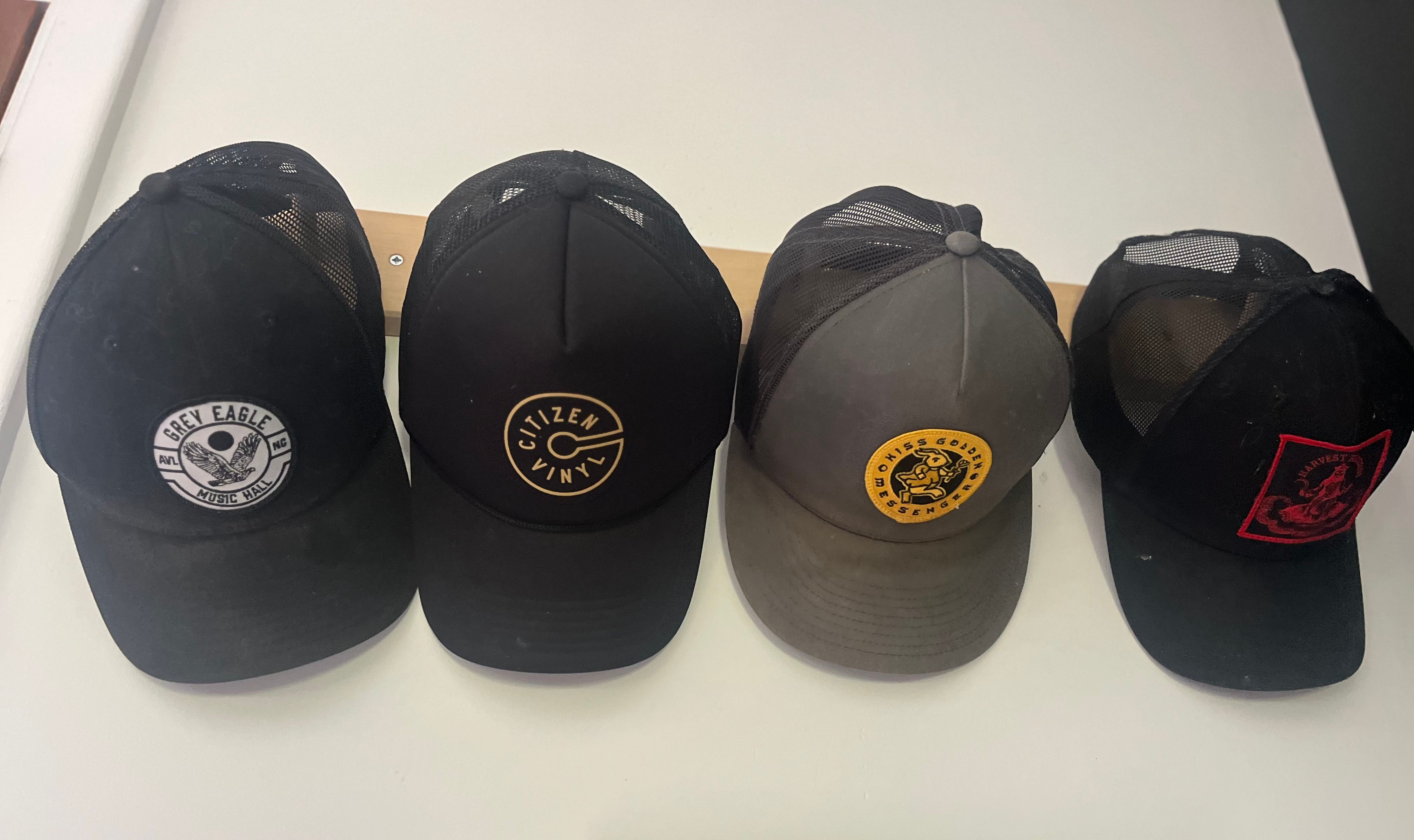
Because, speaking of caps, I’ve lately been wearing more hats than I ever have in my nearly fifty-one years of life.
Copywriter, music journalist, editorial consultant.
Publicist, festival organizer, board member, ambassador, volunteer.
Guitarist, keyboardist, bandmate, fan.
Server, bartender, busser.
Middle-aged, size-small, amateur model.
(Aspiring) homebuyer and homeseller.
Patient, client, student.
I’m intentionally rotating these hats into my everyday “wardrobe”— dad, son, brother, cousin, nephew, friend — not out of desperation or boredom, but as an antidote to the murkiness of midlife and what has felt like and endless season of loss and liminal space.
Perpetual pivoting, I’ve found, helps navigate stuck-between-stations restlessness and malaise.
To retune, explore alternate tunings, and even totally change strings when they fail to hold pitch.
To mine for inspiration and opportunity via new experiences, connections, and frequencies. To offset the sedentary lifestyle of a career writer by working on my feet and with my hands. To meet and engage with new people in new spaces. To learn, experience, grow, and fail-forward by detouring from the comfort zones that both enrich and stifle. To paint with different brushes, colors, textures. To toggle and shape-shift, even if just for a few hours at a time. To build, and ultimately flex, dormant or atrophied muscle.
Not every hat fits just right, mind you. Some are too snug, others too loose. Many are just-plain ugly or unwearable.
But you’ll never know until you try them on. And just because that broken-in cap is the most comfortable on your rack doesn’t mean it’s right for you.
Wearing different hats is about more than taking on side-hustles or picking up new hobbies. It’s about reassessing routines, choices, perspective. Breaking and starting habits. Being more mindful of the quality of your thoughts and how you give and receive energy. What you read, consume, eat. Who you spend time with. Adopting a mindset of curiosity and whetting an appetite for continuous learning.
Taking calculated risks to slowly bend the strings back in tune.
“The difference between a life that sounds like music and a life that sounds like noise is whether you stop and listen," Church said. “Whether you’re honest enough to hear which string has drifted out of tune and humble enough to make the adjustment instead of just turning up the volume and hoping nobody notices.
Because you’ll notice. The part of you that knows what the chord should sound like will always notice. It will not let you go. Life won’t be right until it is tuned. Trust what your heart hears and is telling you about your song.
“Get back up, tune the string, keep playing.”